Category: Take Apart

  • iFixit posts AirPods Max 2 teardown, cites H2 chips, similar repairability issues to first-gen model

    iFixit posts AirPods Max 2 teardown, cites H2 chips, similar repairability issues to first-gen model

    Once again, the super cool cats at iFixit have posted a full teardown of Apple’s newest device, this time issuing a report as to the newly-released AirPods Max 2, which are “basically the same” as the original AirPods Max headphones that came out in 2020.

    A comparison of the internal components of the ‌AirPods Max 2‌ and the USB-C AirPods Max indicate the headphones are identical, and opening them up requires the same steps. The only difference is the updated H2 chips inside each earcup.

    iFixit stated that Apple hasn’t addressed the common failure points found with the original AirPods Max, such as the condensation that can build up in the earcups in humid environments. Apple also has yet to make parts or repair manuals available. The company has also sugged that if Apple made instructions and components available through its self-service repair program and made the battery and USB-C port more accessible, the AirPods Max would be repairable and could have a much longer lifespan.

    Once again, the headphones have been given a repairability score of 6/10, which is identical to the first generation of the headphones.

    Stay tuned for additional details as they become available.

    Via MacRumors, and iFixit (YouTube)

  • Apple adds three new devices to its “vintage” and “obsolete” product lists

    Apple adds three new devices to its “vintage” and “obsolete” product lists

    You may love certain Apple products, but they all become vintage or obsolete at some point.

    Apple on Tuesday added its 2017 13-inch MacBook Air to its “vintage” products list, meaning the device is now only eligible for repairs at Apple Stores and Apple Authorized Service Providers if parts remain available.

    The notebook was the final MacBook Air model released prior to Apple’s redesign of the machine, wherein it would give the MacBook Air a Retina display in 2018.

    Apple also included the iPad mini 4 tablet and the 32GB Apple TV HD configurations in its “obsolete” products list, which indicates that neither of these devices is eligible for any kind of service whatsoever.

    The iPad mini 4 was launched in 2015, and discontinued in 2019, which the Apple TV HD was first released in 2015 and discontinued in October 2022, when the third-generation Apple TV 4K launched. However, only Apple TV HD units with 32GB of storage are considered obsolete for now.

    A “vintage” device was last distributed by Apple for sale more than five years ago, while for “obsolete” that timeframe rises to seven years.

    Stay tuned for additional details as they become available.

    Via MacRumors and support.apple.com

  • Rumor: Apple in the early stages of testing OLED iMac displays

    Rumor: Apple in the early stages of testing OLED iMac displays

    If you’re dreaming of an iMac with an OLED display, you might have to wait a while.

    After many years of using LED backlighting and using mini-LED in some cases, Apple has gradually been moving its product lines to OLED. However, the expense of the technology means some products will get it far later than others.

    Per ZDNet Korea, Apple plans to bring the OLED iMac to market by 2029 or 2030.

    Sources close to the story have stated that Apple has made requests to Samsung Display and LG Display to produce iMac OLED samples via their mass production facilities. Of the two, Samsung Display is anticipated to be the faster responder, which could help it gain some orders.

    It’s rumored that Samsung’s display panels will offer a pixel density of 220 pixels per inch. This is higher than the existing 160PPI Quantum Dot OLED (QD-OLED) panels that it is currently producing for displays, but new equipment will help boost the density.

    For its part, LG Display will offer White OLED (W-OLED) panels, though these could arrive at a slower rate than Samsung. It’s also rumored that the LG panels aren’t as bright as Samsung’s QD-LED versions, which will count against it. It’s also been rumored that LG is working on a new five-stack panel using W-OLED, instead of the existing four-stack version. The extra panel would add an additional green layer, which would boost brightness, but the manufacturing method has yet to reach mass production.

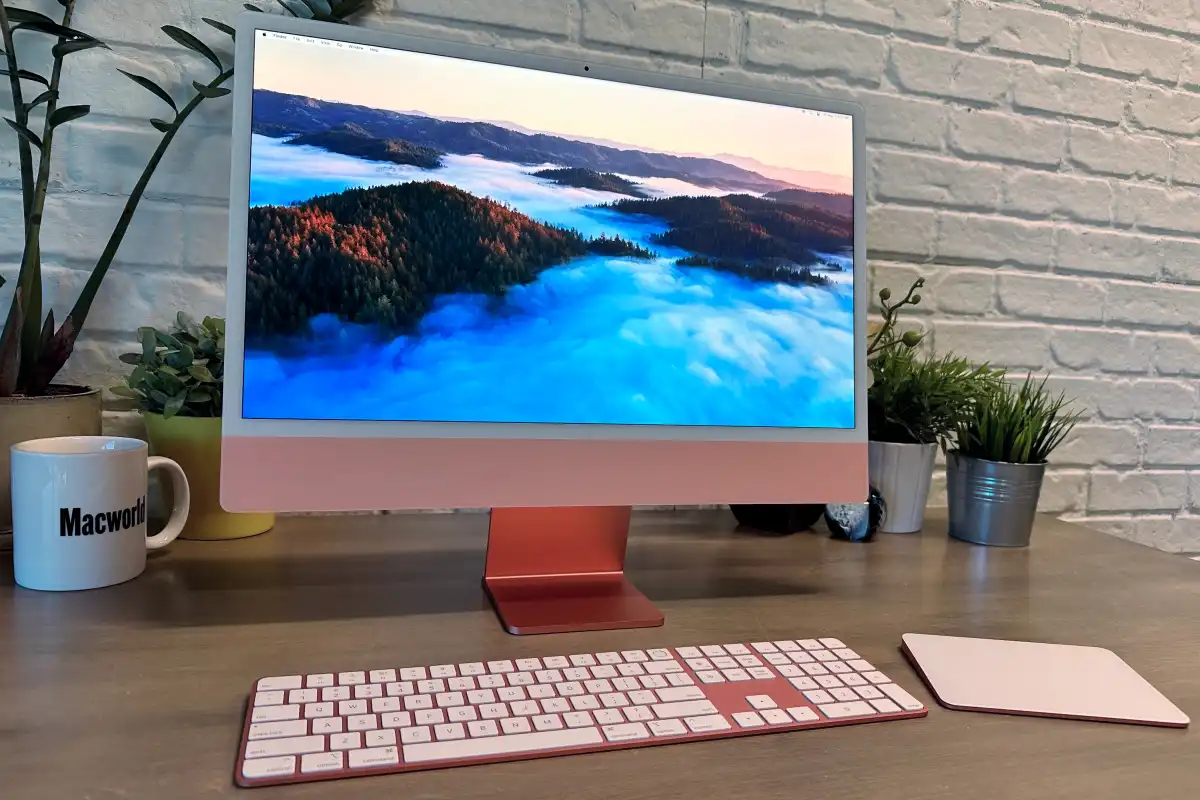
    It’s also been noted that this isn’t the first time Apple has inquired about OLED iMac parts from its suppliers. In December, it made a Request for Information (RFI) from Samsung Display and LG Display for finalized specifications for the display itself. At the time, and reiterated in the March report, the 24-inch display will have a pixel density of 218 to 220 pixels per inch. This puts it at the same resolution as the current 4.5K Retina panel in the existing iMac.

    It’s thought that Apple wants the new screen to be much brighter than the current screen. While the current iMac display offers 500 nits of brightness, the OLED version is expected by Apple to have a maximum brightness of 600 nits.

    Stay tuned for additional details as they become available.

    Via AppleInsider and ZDNet Korea

  • Apple discontinues the Mac Pro product line, offers no future plans for updated hardware

    Apple discontinues the Mac Pro product line, offers no future plans for updated hardware

    As much as you may love the Mac Pro towers, Apple felt differently as to the future of the product.

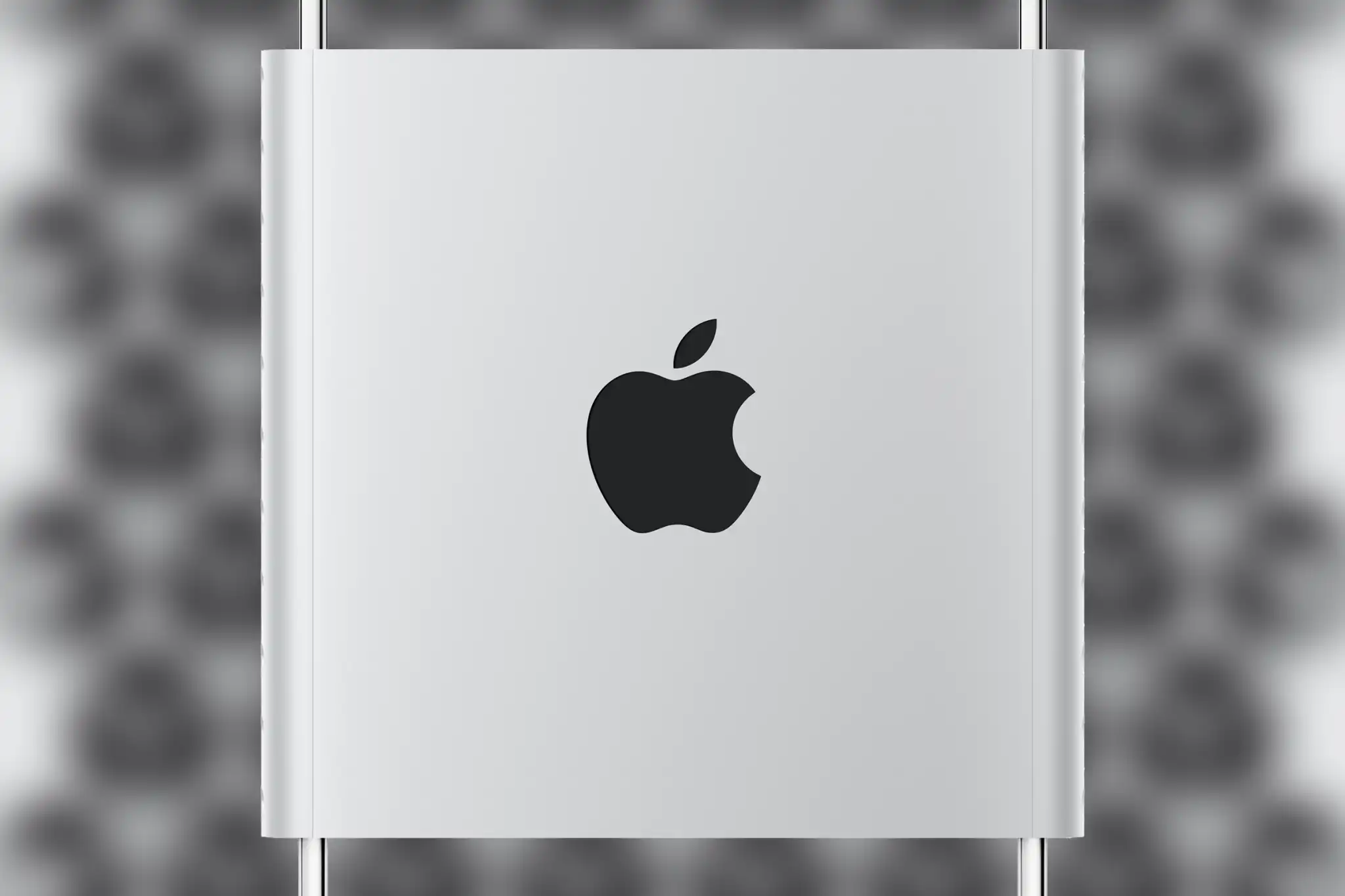
    Per 9to5Mac, Apple has confirmed that the Mac Pro is being discontinued and that no future models are planned in the future. The company removed the tower from its “buy” page on Apple’s website, and the former Mac Pro web page now redirects to other sections of the website.

    The Mac Pro has lived many lives over the years. Apple released the current Mac Pro industrial design in 2019 alongside the Pro Display XDR (which was also discontinued earlier this month). That version of the Mac Pro was powered by Intel, and Apple refreshed it with the M2 Ultra chip in June 2023. It has gone without an update since then, languishing at its $6,999 price point even as Apple debuted the M3 Ultra chip in the Mac Studio last year.

    At present, the Mac Studio is clearly set up as the “pro” desktop Mac. The unit can be configured with the M3 Ultra chip and a 32-core CPU, and an 80-core GPU, paired with 256GB of unified memory and 16TB of SSD storage.

    With the discontinuation of Mac Pro today, Apple now sells three desktop Macs:

    • 24-inch iMac with M4
    • Mac mini with M4 and M4 Pro
    • Mac Studio with M4 Max and M3 Ultra

    And three notebooks:

    • MacBook Neo
    • MacBook Air
    • MacBook Pro

    While this may break a number of hearts (including my own, I owned several Mac Pro towers over the years, and I loved upgrading them), the writing’s been on the wall for several years now and the time had come for Apple, in a true Steve Jobs fashion, to slash a product it didn’t need.

    Please let us know what you think in the comments.

    Via 9to5Mac

  • Rumor: iPhone Fold reported to use “glass sandwich” approach to help reduce possible screen damage

    Rumor: iPhone Fold reported to use “glass sandwich” approach to help reduce possible screen damage

    When in doubt, go for the protective sandwich design.

    In its quest to prevent damage to the iPhone Fold display and avoid the same pitfalls as other hardware manufacturers have fallen into, Apple may be slated to go beyond using “self-healing glass” and a seamless hinge design and use a sandwich approach to the display panel of the upcoming device.

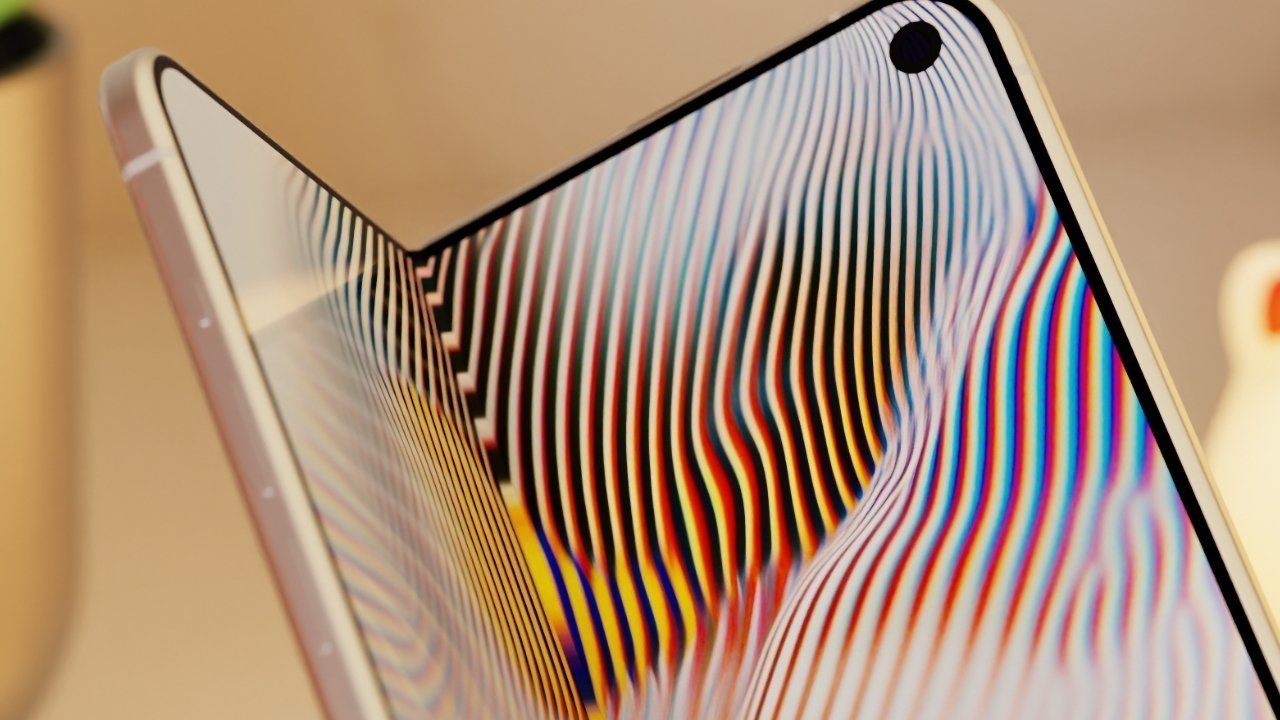
    In a Monday post to Chinese social media website Weibo, serial leaker Digital Chat Station has claimed that Apple may use a dual-layer UTG/UFG (Ultra-Thin Glass/Ultra-Thin Flexible Glass) structure. The actual display layer would be placed between two thin glass layers, with one above and one below.

    If so, this would help prevent the display from contacting the hinge mechanism directly. As the iPhone Fold flexes, the screen and hinge will move around, potentially making contact with each other. Another reason for this would be to reduce the mechanical stress induced by the act of folding. With glass layers on both sides, the glass elements will take most of the strain in the folding process, minimizing the stress on the display panel section.

    Back in December, Digital Chat Station claimed Apple was exploring the use of UFG for the display, and that there were still some “technical challenges” to overcome. However, previous reports said that Apple had solved its display design puzzle.

    Apple is thought to be shipping the iPhone fold later this year, with some rumors claiming the unit will feature a visible crease, while others have stated that the crease is barely observable to its users.

    Other additional features to the display could include advanced protection from scratches in the form of two film materials that Apple could put on top of the foldable glass to prevent damage to the screen itself. This technique has been used by Samsung Display, which is a major partner in Apple’s supply chain, and thus could be adding the element to the iPhone Fold.

    Stay tuned for additional details as they become available.

    Via AppleInsider and Weibo