Tag: mode

  • First video reviews and unboxing videos of iPhone 13 mini, iPhone 13, iPhone 13 Pro, and iPhone 13 Pro Max handsets surface

    First video reviews and unboxing videos of iPhone 13 mini, iPhone 13, iPhone 13 Pro, and iPhone 13 Pro Max handsets surface

    Apple has lifted its embargo on reviews of the iPhone 13 mini, iPhone 13, iPhone 13 Pro, and iPhone 13 Pro Max handsets, and in addition to assorted reviews being published, a number of unboxing videos and reviews have hit the internet.

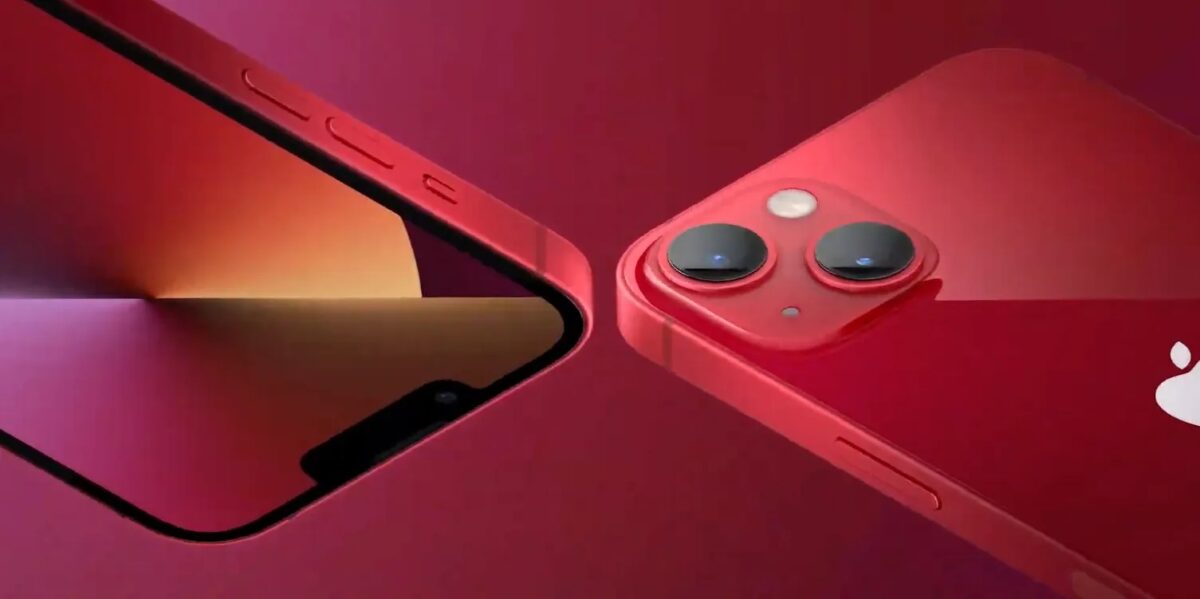
    The new handset’s key new features of the devices include a 20 percent smaller notch, brighter displays with ProMotion for refresh rates up to 120Hz, the A15 Bionic chip, longer battery life, and various camera hardware upgrades, as well as new camera software features such as Cinematic mode, Photographic Styles, and Smart HDR 4.

    Since a picture’s worth a thousand words, here are a few of the unboxing/review videos to get you started:

    <center>
    <iframe width="500" height="300" src="https://www.youtube.com/embed/hYwpy7DVjDU" title="YouTube video player" frameborder="0" allow="accelerometer; autoplay; clipboard-write; encrypted-media; gyroscope; picture-in-picture" allowfullscreen></iframe>
    <br><br>
    <iframe width="500" height="300" src="https://www.youtube.com/embed/5BkvrfL-b2E" title="YouTube video player" frameborder="0" allow="accelerometer; autoplay; clipboard-write; encrypted-media; gyroscope; picture-in-picture" allowfullscreen></iframe>

    Stay tuned for additional details as they become available.

    Via MacRumors

  • Apple announces iPhone 13 models at media event, touts improved camera, A15 Bionic processor

    Apple announces iPhone 13 models at media event, touts improved camera, A15 Bionic processor

    Over at its September media event, Apple on Tuesday announced the launch of its iPhone 13 handsets. The prices for the long-anticipated decides remain the same as last year, retailing from $699 and $799 for the iPhone 13 mini and iPhone 13, respectively. Still, base storage for the units has been upped to 128 GB with a 512 GB configuration now available.

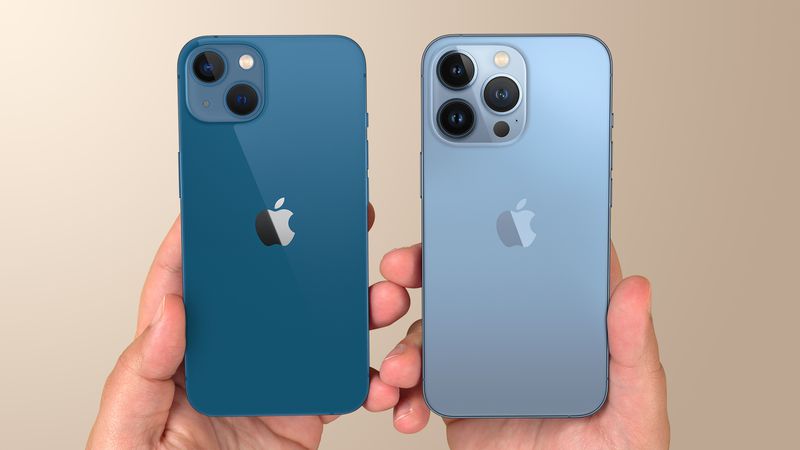
    The iPhone 13 design is mostly the same as the iPhone 12, however the display notch at the top of the screen is slightly smaller in width; Apple says about 20% smaller. The dual cameras of iPhone 13 and iPhone 13 mini are now arranged diagonally in the rear module.

    The displays on the iPhone 13 are now 28 percent brighter, with the Pro and Pro Max models now including a 120Hz refresh rate. The processor has also been updated, with the iPhone 13 featuring an A15 Bionic chip. The processor itself features almost 15 billion transistors, with two high-performance cores and four high-efficiency cores. It’s unknown as to how much of a performance benefit upgrade the A15 chip is over the A14 found in the iPhone 12.

    Apple says iPhone 13 will achieve up to 2.5 hours more battery life compared to iPhone 12. iPhone 13 mini improves battery longevity by 1.5 hours respectively.

    Per the upgraded camera, the new lenses now allow more light in, offering up to 46 percent more light gathering capability at a f/1.6 aperture on the main wide camera. Sensor shift optical image stabilization has also been added to the entry-level models for the first time ever.

    Where video is concerned, Apple has added a rack focus effect to its new “Cinematic Mode” feature, which functions like the Portrait feature for photos, albeit applied to video.Cinematic Mode focuses on a subject and adjusts focus as they move around the frame.

    Finally, 5G support on iPhone has been expanded with upgraded radios in the iPhone 13. Apple will double 5G compatibility to more than 200 carries across 60 countries. 

    The iPhone 13 models are available for pre-order on Friday, September 17, and will be available on September 24 for the iPhone 13 mini, iPhone 13, iPhone 13 Pro, and iPhone 13 Pro Max features.

    Stay tuned for additional details as they become available.

    Via 9to5Mac

  • Microsoft currently testing updated Xbox controller firmware with improved pairing, energy efficiency for iOS, iPadOS users

    Microsoft currently testing updated Xbox controller firmware with improved pairing, energy efficiency for iOS, iPadOS users

    This could come in handy.

    Microsoft has begun testing a new firmware version for its Xbox One, Xbox Elite 2, and Xbox Adaptive Controllers. The updated firmware should dramatically improve cross-device connectivity and latency. Microsoft has also stated that the controllers now support Bluetooth Low Energy for improved connectivity with iOS 15 and iPadOS 15 devices.

    The firmware is currently available to Insider beta testers using Xbox One controllers with Bluetooth support, Xbox Elite Wireless Controller Series 2, and Xbox Adaptive Controllers. The new firmware “delivers next-gen features previously available only on Xbox Series X and S controllers.”

    Microsoft also offered the following comments regarding performance on other platforms:

    These controllers now support Bluetooth Low Energy, which delivers better compatibility across devices and allows for better pairing experiences. You will be able to play wirelessly on Windows 10 PCs, iOS 15+, and Android devices with Bluetooth Low Energy for remote play from your console or cloud gaming with Xbox Game Pass Ultimate on the go. After installing the firmware update, these controllers will remember one Bluetooth host (e.g., smartphone) and one Xbox Wireless host (e.g., Xbox console), so you can quickly and seamlessly switch between previously connected devices with a simple double tap of the pair button.

    Microsoft also says that this firmware update includes support for Dynamic Latency Input, which “delivers controller inputs more efficiently” to your console. The new firmware is available to Alpha Skip-Ahead and Alpha users today, and Microsoft says it will make it available to additional flight rings in the weeks to come.

    Stay tuned for additional details as they become available.

    Via 9to5Mac and news.xbox.com

  • Recently published patent hints at future Apple devices being able to perform more substantial tasks while in sleep/low-power modes

    A recently published Apple patent hints at how the company may be investigating new ways to save power, and add convenience, by allowing devices to respond to network requests and perform some low-power tasks, all while in sleep mode.

    For years now, Macs have featured a setting called “wake for network access,” which allowed them to stay in low-power or sleep mode until needed.

    “Control of a computer system in a power-down state,” states the patent, proposes being able to make a remote Mac — or any device — perform tasks, but without wasting energy. In some cases, that could be energy that the device simply does not have.

    “Computer systems in use today commonly have a network interface that allows either wired or wireless communication with other devices or systems. Such communication may be performed in response to input received from a user physically operating the computer system, as well as to input received remotely.”

    “The latter functionality may allow, for example, for a remote user to be able to cause the computer system to play a sound, which may facilitate locating the computer system,” it continues.

    The patent also describes how the device could effectively stay asleep, yet still run substantial tasks.

    “Exemplary tasks performed in the power-down state include uploading one or more files to a remote computer system, downloading one or more files from a remote computer system, deleting one or more files from the computer system, accessing input/output devices, disabling the computer system, and performing a memory check on the computer system.”

    This also implies that a device could function as a server that’s constantly able to respond, but isn’t constantly running at full power. The device could run as an Apple Mail server, or be able to perform “a memory check on the computer system,” which would help with a longstanding issue with Macs. Apple’s OS X and now macOS feature built-in maintenance scripts that run in the background, but they tend to run overnight, when most users power their computers off.

    The patent is credited to Timothy R. Paaske, and Josh P. de Cesare. The former’s many previous patents include related ones to do with power management, while the latter is listed on ones to do with waking devices.

    The patent appears to be referring to potential future Apple devices, certain current ones have already implemented what could be a subset of the idea. Apple’s Power Nap feature lets certain models of MacBook Air and MacBook Pro carry out iCloud syncing and Time Machine backups while in a low-power mode.

    Stay tuned for additional details as they become available.

    Via AppleInsider and the United States Patent and Trademark Office
  • Mario Kart Tour adds long-awaited landscape play mode

    If you’re a Nintendo geek, you’re going to like this.

    After almost a year, Mario Kart Tour for iOS and Android has added a landscape mode.

    Nintendo revealed the update in the following video, and the game has long-topped the iOS download charts.

    Mario Kart Tour is available for free and requires iOS 10.0 or later to install and run.

    If you’ve tried the new Landscape mode, please let us know what you make of it in the comments.

    Via The Mac Observer and the App Store