Category: Retail Store

  • Retailers mark first-generation AirTag prices down to make room for second-generation units

    Retailers mark first-generation AirTag prices down to make room for second-generation units

    A good deal’s a good deal, and an inventory-clearing discount is not to be ignored.

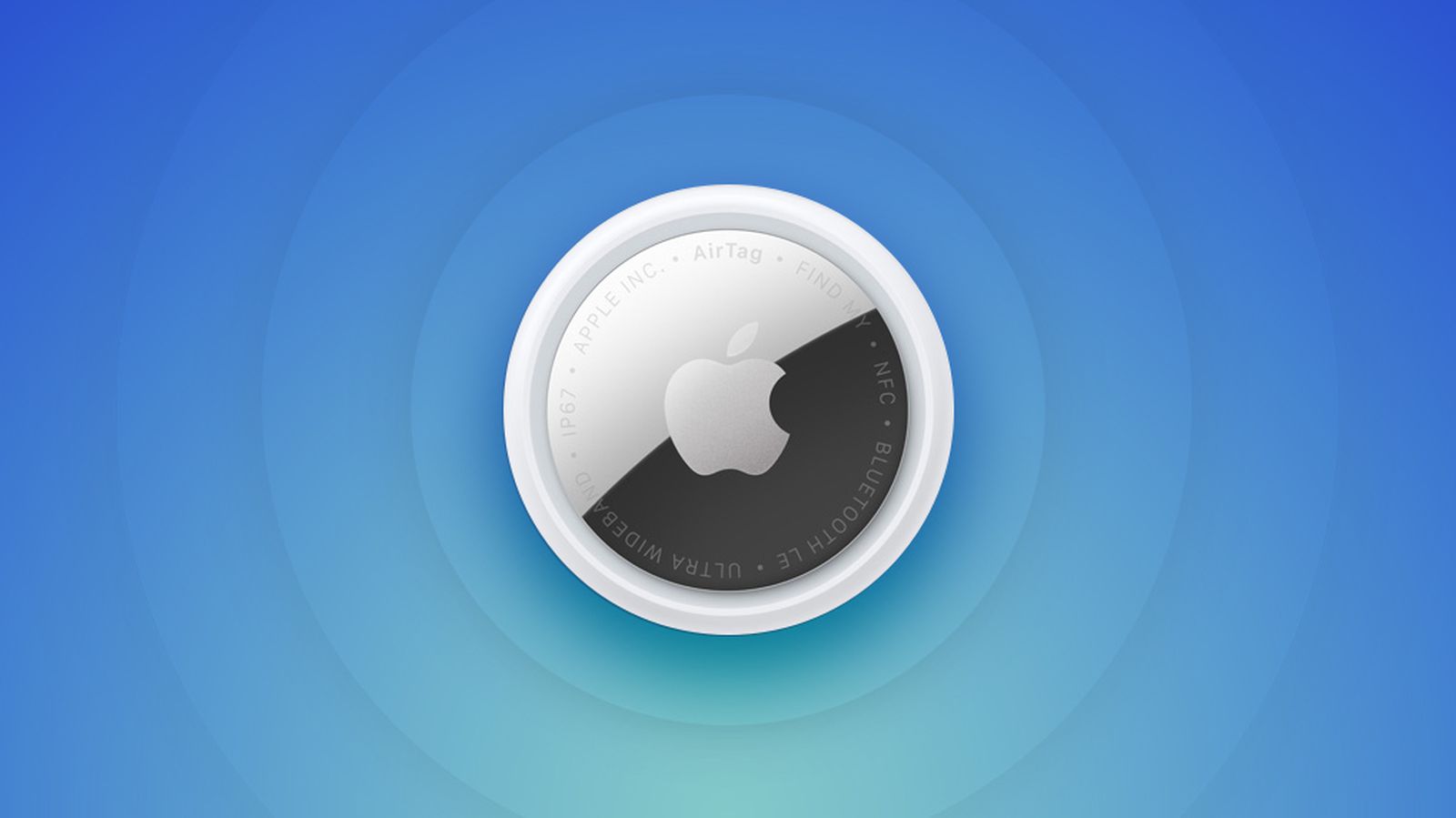
    Following Apple’s announcement of its second-generation AirTags on Monday, Amazon has begun clearing out last-gen AirTag inventory with discounts of up to 29 percent off to make way for the new model.

    The first-generation AirTag price dropped to as low at $25.99 on Monday, and a single pack can be found at this price for $25.99 at both Amazon and B&H Photo, while Amazon has the best price on the 4-pack, which is marked down to $69.99.

    In short, it’s a clearance sale, and it may be worth snagging before it’s gone.

    Via AppleInsider and Amazon

  • Analyst: Apple to hold iPhone 18 price point steady despite rising memory costs

    Analyst: Apple to hold iPhone 18 price point steady despite rising memory costs

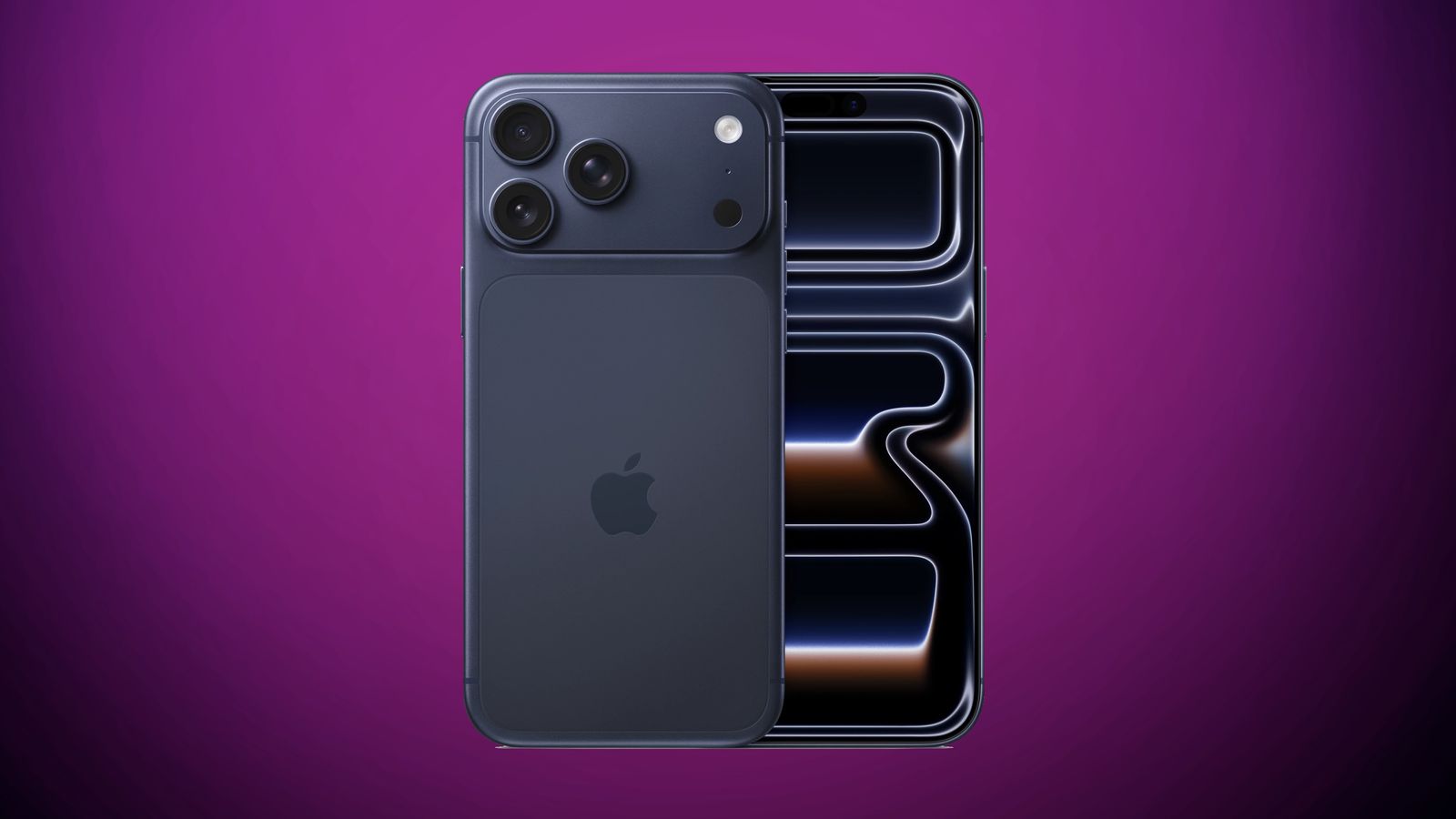
    Even though DRAM shortages and associated price increases are set to impact smartphone manufacturers like Apple this year, the company will look to keep its iPhone 18 prices steady despite having a higher per-unit manufacturing costs.

    Per noted analyst Ming-Chi Kuo, Apple negotiates memory prices with suppliers on a quarterly basis, so price increases are expected in the second quarter of 2026. The upcoming price hike will be similar to the first quarter increase, which has already seen Apple paying more for memory. It’s estimated that DRAM prices are increased by 10 to 25 percent compared to last year.

    While the higher memory costs will impact Apple’s gross margins, Kuo stated that Apple is in a position to establish deals to get a steady supply of components. As such, it can absorb some of the increased cost.

    Per Kuo:

    The higher memory cost will impact the iPhone’s gross margins, but Apple is in a position to establish deals to get a steady supply, and it is able to absorb some of the increased cost. From Kuo:

    “For most non-AI brands, even if you’re willing to pay up, there’s no guarantee you’ll get the supply. The fact that Apple can lock in a deal like this shows just how much leverage it has.

    Higher memory costs will hit iPhone gross margins. But Apple’s playbook is clear: use the market chaos to their advantage–secure the chips, absorb the costs, and grab more market share. They’ll make it back later on the services side.”

    Apple may need to address the memory price increase during its January 30 earnings call, which will cover the first fiscal quarter of 2026. Kuo has stated that he expects Apple to avoid raising prices “as much as possible,” and that at least the starting price of the ‌iPhone 18‌ models will be flat.

    Apple previously absorbed component costs increases and was able to keep iPhone 17 pricing around the same level this past fall. The base iPhone 17 model stayed at a $799 price point, although Apple did start charging $100 more for the iPhone 17 Pro because of the new 256GB minimum storage.

    The current memory shortages within the supply chain, especially with LPDDR and NAND components, have been caused by shortages and higher prices because of demand from the AI industry. Chip manufacturers are prioritizing advanced memory for AI servers over the memory used in smartphones, and there has been speculation that the memory price increase will cause smartphone costs to rise across multiple brands.

    Stay tuned for additional details as they become available.

    Via MacRumors and @mingchikuo
  • Apple announces second-generation AirTags, cites longer range, louder speaker, other features

    Apple announces second-generation AirTags, cites longer range, louder speaker, other features

    If you’ve been hankering for the second generation of Apple’s AirTag devices, they’re on their way.

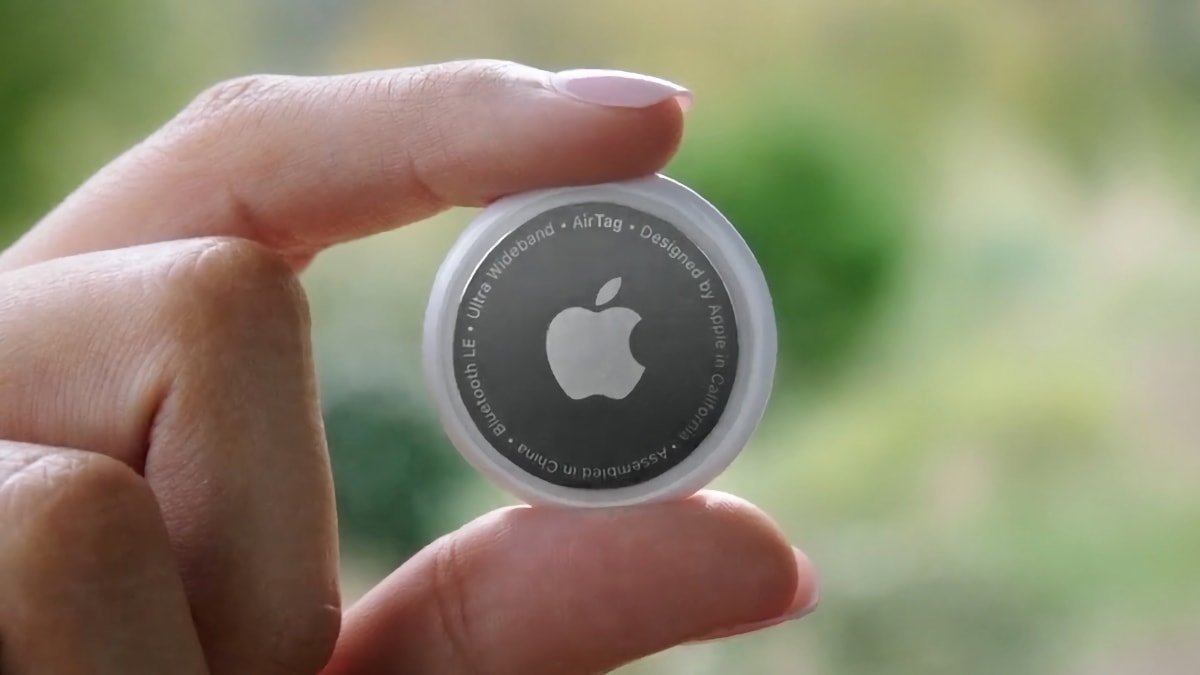
    Apple on Tuesday announced its next-generation AirTag, complete with key features such as longer range for tracking items as well as a louder speaker. Like the first generation, the new units can attach to a backpack, keys, or other items, and be tracked with the Find My app on the iPhone, iPad, Mac, Apple Watch, and iCloud.com.

    The new AirTag is equipped with a second-generation Ultra Wideband chip, enabling the Precision Finding feature to work up to 50 percent farther away from an item compared to the previous-generation model, according to Apple. The new AirTag also has an upgraded Bluetooth chip for improved overall range outside of Precision Finding mode. The updated speaker is also 50 percent louder than the first-generation model, according to Apple.

    The external design of the new AirTag remains the same, although its weight has increased slightly. The unit continues to be powered by a CR2032 coin cell battery, and the new AirTag has the same IP67-rated water resistance as the original one. Buyers can also find free personalized engraving for the device through Apple.com and in the Apple Store app.

    The new AirTag requires an iPhone running an incoming iOS 26.2.1 update or later, per Apple. watchOS 26.2.1 is also coming, and it expands Precision Finding to the Apple Watch Series 9 and later, and Apple Watch Ultra 2 and later. It’s unknown if this is for the new AirTag only or also works with the original model.

    The new AirTag is available to order on Apple.com and in the Apple Store app as of Monday, and it will be available at Apple Store locations later this week. In the U.S., pricing remains set at $29 for an individual AirTag, while a four-pack retails for $99.

    Stay tuned for additional details as they become available.

    Via MacRumors and Apple

  • Amazon offers record low prices for several M5 iPad Pro models

    Amazon offers record low prices for several M5 iPad Pro models

    A good deal’s a good deal.

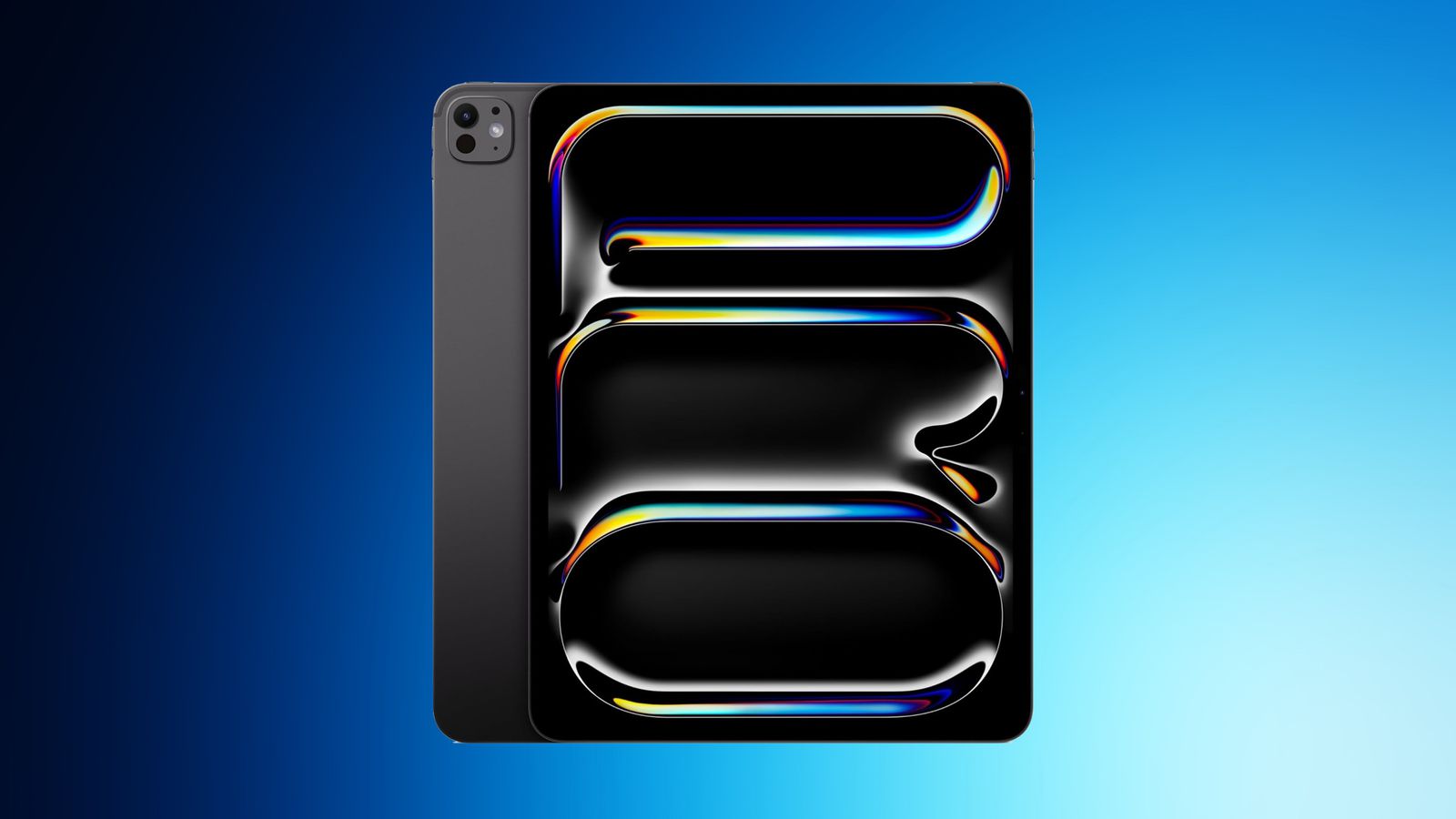
    Amazon announced a deal over the weekend in which a number of Apple’s M5 iPad Pro tablets, including the 11-inch and 13-inch models, have been deeply discounted. The highlight this time around is a return of a low price on the 256GB Wi-Fi 11-inch M5 iPad Pro, which is on sale for $899.00, down from $999.00.

    The deals match or exceed previous offers, and Amazon has offered an estimated delivery date around January 30 for free delivery, although Prime members should see earlier delivery in a number of cases.

    The deals are as following for the 11-Inch M5 iPad Pro:

    • 256GB Wi-Fi – $899.00 ($100 off)
    • 512GB Wi-Fi – $1,099.00 ($100 off)
    • 1TB Wi-Fi – $1,499.99 ($99 off)
    • 1TB Nano-Texture Glass Wi-Fi – $1,576.00 ($123 off)
    • 2TB Wi-Fi – $1,851.00 ($148 off)
    • 2TB Nano-Texture Glass Wi-Fi – $1,999.00 ($100 off)

    And here are the prices for the 13-Inch M5 iPad Pro:

    • 256GB Wi-Fi – $1,149.99 ($149 off)
    • 512GB Wi-Fi – $1,349.99 ($149 off)
    • 1TB Wi-Fi – $1,696.91 ($202 off)

    Stay tuned for additional details as they become available.

    Via MacRumors and Amazon

  • Apple Pay may be making inroads into the Indian marketplace after almost a decade of effort, legal wrangling

    Apple Pay may be making inroads into the Indian marketplace after almost a decade of effort, legal wrangling

    After nearly a decade of legal and financial wrangling, Apple Pay may be en route to India.

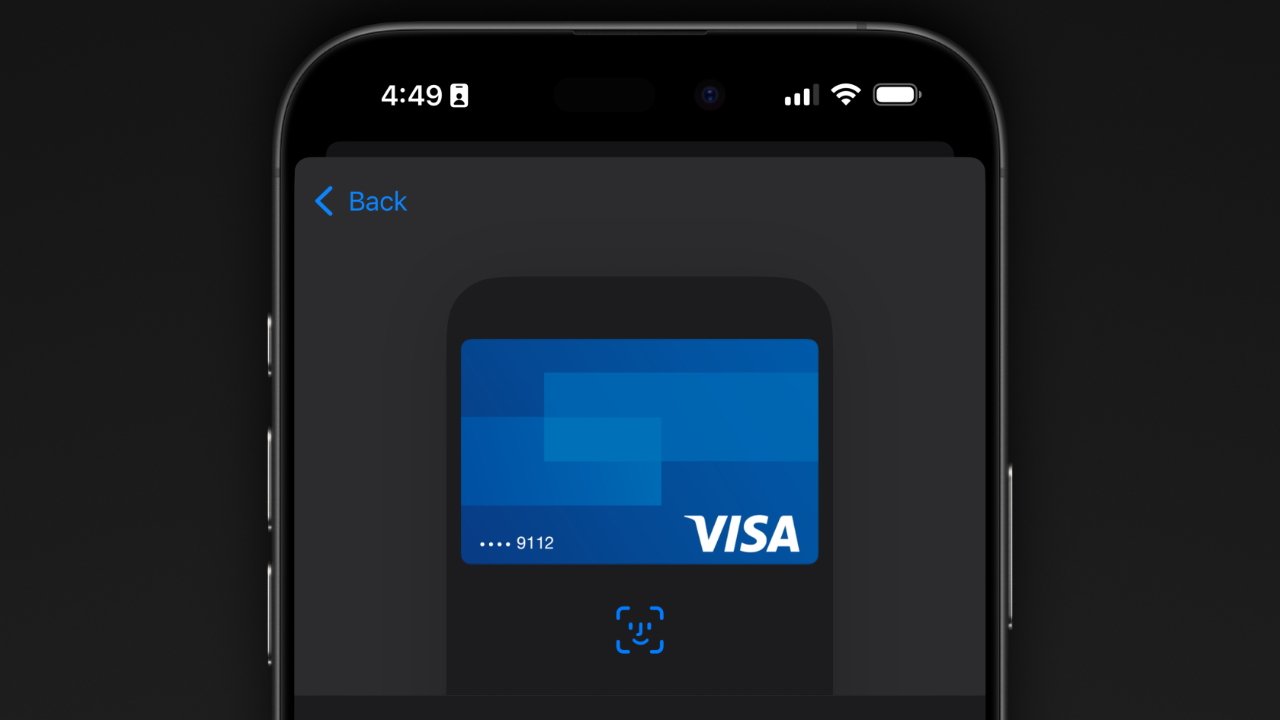
    According to 91mobile, Apple Pay, which first debuted in 2014, could be headed for the Indian marketplace. Reportedly, Apple is in discussions with Indian banks, local government regulators, and also Visa and Mastercard.

    Apple is said to be negotiating fees with assorted card issuers, and as such, there’s been no confirmation. The issue of card payments is its own hurdle, as since 2022, Apple has not accepted credit or debit cards in India.

    Instead, users of services such as the App Store or Apple Music in India have had to use what’s called the Unified Payments Interface (UPI). This service is the dominant payment platform in India, and other firms must apply for a licence to integrate with it. Apple is reported to be unwilling to do this at first, as the process of applying to and integrating UPI is complicated. At present, both Google and Samsung Wallet work with UPI.

    Should this deal go through, it’ll suit those using credit cards or making international payments as opposed to day-to-day UPI-based spending. Still, the deal would function as a benchmark of progress into the Indian market, which Apple has desired since at least 2017. The UPI roadblock and applying for a license could bring their own headaches, as Apple would have to set up data storage facilities in India, or work with a local partner.

    There was also an issue regarding biometric authentication, then Touch ID and later Face ID. According to Indian law, biometric authentication would have to be validated by an external government agency each time it was used.

    Stay tuned for additional details as they become available.

    Via AppleInsider and 91mobiles